Heating & cooling Australia
Cost to Run a Reverse Cycle Air Conditioner in Winter
Reverse-cycle heating cost comes from purchased electrical input, not the thermal kW printed as heating capacity. Match the equipment data to the conditions you need, then apply the appropriate electricity price.
- Last checked
- 15 October 2026
- Rates as of
- 1 July 2026
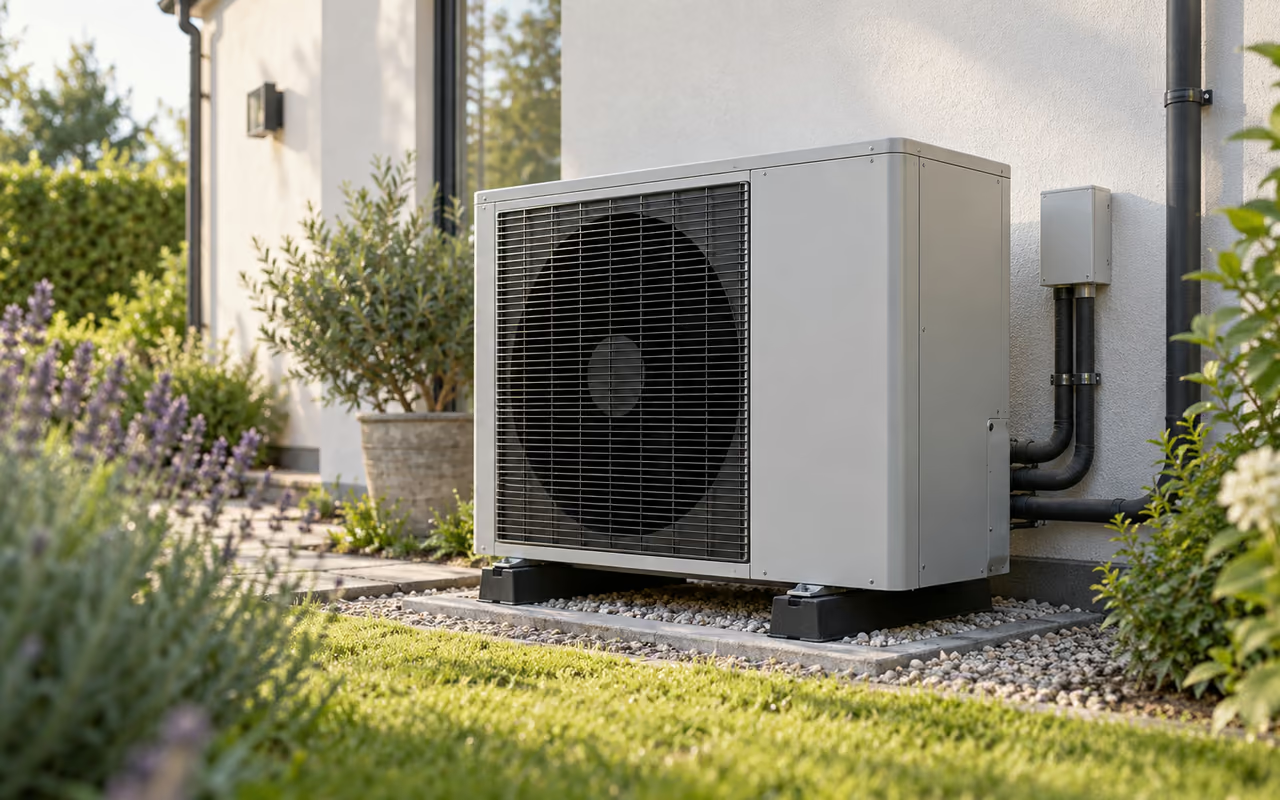
Heating capacity and electrical input
A heat pump can deliver a different amount of useful heat from the electrical power it buys. Its thermal output and electrical input are therefore separate figures. A unit advertised with 5 kW heating output should not automatically be priced as a 5 kW electrical load.
The supporting calculator compares entered heating and cooling assessments with quoted outputs at relevant conditions. For cost, it uses the electrical input you supply. Keep those conditions with the product data. A favourable rating at one test point is not evidence of constant input or performance across a whole Australian winter.
Keep the units with every quoted figure. Electrical kW, thermal kW and annual kWh answer different questions, and a comparison can be wrong even when the same numerical value appears plausible in more than one of those fields.
An assessed heating example
The original scenario enters a 4.5 kW heating load and a quoted unit output of 5 kW at matching conditions. The resulting heating margin is 0.5 kW. It also enters 1.5 kW electrical input. At an illustrative price of 30 cents/kWh, one hour at that input costs AUD 0.45.
The calculation checks the entered quantities; it does not establish that the room assessment or equipment selection is correct. A positive capacity margin is not installation approval. The example also does not mean the unit draws 1.5 kW during every clock hour, because controls and conditions can change actual operation.
Running-cost table by network
The table prices the same entered 1.5 kW input using selected stored 2026-27 flat residential network references. They include GST and exclude supply charges. This isolates price while holding power constant; it does not assign a state-specific climate demand or annual operating schedule.
Use the actual bill rate for other networks or market plans. A time-of-use comparison needs the relevant operating periods and energy allocation. An annualised total using one hourly figure is only valid for the stated input-hours scenario, not as a weather-driven forecast. Keep the tariff date with the estimate when comparing another period.
| Network reference | Cost per input-hour |
|---|---|
| NSW Ausgrid, 33.1372c/kWh | $0.50 |
| SEQ Energex, 27.9744c/kWh | $0.42 |
| SA Power Networks, 41.9103c/kWh | $0.63 |
| Victoria CitiPower, 25.96c/kWh | $0.39 |
Compared with other heaters
For a clearly defined hour at 5 kW useful output, an entered 5 kW resistance-heating input would cost AUD 1.50 at the illustrative 30-cent price. The heat-pump example's entered 1.5 kW electrical input costs AUD 0.45 at that condition. These are stated equal-output scenarios, not universal performance claims.
A room needing less heat may cycle either system, while another heater may warm a different area or person. Compare the same useful service and period before extending a cost difference into a household saving. Maximum input and a nominal equipment label do not establish actual seasonal energy consumption.
Thermostat and operating settings
Follow equipment instructions and official heating guidance for suitable settings and controls. Changing a target can alter demand as well as operation, so a lower bill after changing it is not automatically a measure of improved equipment efficiency. Describe the service change when comparing the readings.
Use measured energy over representative conditions where available. A startup period can differ from later maintenance, and mild weather can differ from a cold evening. Retain the circumstances rather than treating a single short reading as a whole-winter average. The calculator does not invent a thermostat duty percentage for the room.
Room size, insulation and climate
The building fabric, glazing, air leakage, exposure and intended indoor conditions affect the heating assessment. Floor area alone does not establish the required thermal output. Ask the installer for a suitable room or building assessment and the design conditions used.
Energy Rating information distinguishes product capacities and standardised energy performance across climate zones. Those labels can help compare products within their stated method, but actual use still depends on the building and routine. Do not substitute thermal output for electrical input or use a label's annual assumption as though it were a measured household result.
Check a quote before choosing
Collect the assessed load, available equipment output and purchased electrical input at compatible conditions. Ask about the less favourable winter conditions, control strategy and any supplementary heat. Keep installation and electrical requirements separate from the operating-cost arithmetic.
Use the calculator to inspect the quoted numbers and test a supported range of input or price assumptions. Save the source period and conditions with the result. A qualified installer should confirm suitability; the blog post explains how to price valid inputs without manufacturing an area-sizing coefficient, seasonal performance curve or guaranteed annual bill.
Frequently asked questions
Sources
- AER: Default Market Offer 2026-27, Appendix CChecked on 15 October 2026
- ESC: Victorian Default Offer 2026-27, stored determinationChecked on 12 October 2026
- Australian Government: heating and coolingChecked on 15 October 2026
- YourHome: heating and cooling designChecked on 15 October 2026
- Energy Rating: heating and cooling equipmentChecked on 15 October 2026
- South Australian Government: calculating running costsChecked on 15 October 2026
Keep reading
A little more context.
What Size Air Conditioner Do I Need? (kW Sizing)
Understand thermal kW, room-assessment inputs and quoted air-conditioner output, with an assessed-load example and installer checklist.
Publish date:
Read blog
Hot Tub and Spa Running Costs in Australia
Estimate Australian spa running costs using measured energy, network references and separate records for changing seasonal conditions.
Publish date:
Read blog
How Much Electricity Does an Electric Blanket Use?
Calculate electric blanket kWh and Australian nightly costs, compare a stated room-heating input and follow official product safety guidance.
Publish date:
Read blog