Heating & cooling Australia
What Size Air Conditioner Do I Need? (kW Sizing)
The right air-conditioner size is the output needed under the room's design conditions. Floor area is useful information, but it cannot by itself establish that output. Begin with an assessment and compare the quoted unit at matching conditions.
- Last checked
- 26 October 2026
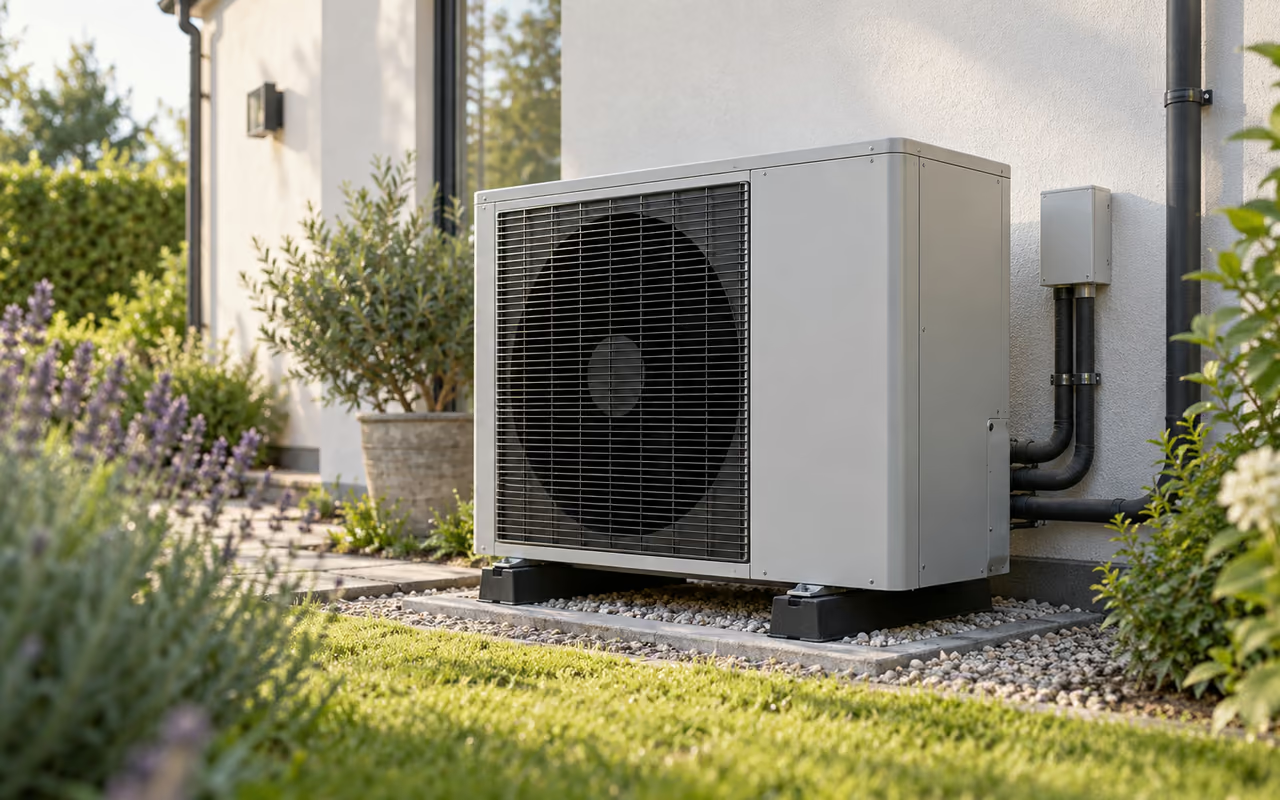
What kW means on an air conditioner
A unit's heating or cooling capacity describes useful thermal output. Its electrical input describes the power purchased from the supply. They are different quantities. A system labelled with a particular cooling capacity does not necessarily draw that amount of electricity while operating.
Use the product data for the relevant outdoor and indoor conditions. The required room load and the equipment output must refer to a compatible design case before their difference is meaningful. Our calculator accepts assessed heating and cooling loads and compares them with entered quoted outputs. It does not calculate a building assessment automatically.
Why floor area alone is not enough
Room area alone cannot set the heating or cooling output a room needs. Two rooms with the same floor area can need very different outputs. An appropriate assessment needs more information than room area, so this blog post works from an assessed load rather than a rule based on size.
The table lists the information to take to an installer. Room area is one part of that evidence, alongside ceiling height, glazing, sun, insulation, air leakage and climate. These inputs help describe the assessment, but this checklist does not attach output factors or claim to calculate the room's load.
| Information to record | Why the installer needs it |
|---|---|
| Dimensions and ceiling height | Describe the space and volume |
| Glazing, orientation and shade | Describe solar exposure and window conditions |
| Insulation and air leakage | Describe the building fabric |
| Location and intended indoor conditions | Set the design case |
Climate, insulation and sunlight
Government heating and cooling guidance and YourHome explain why building and climate context matter. A room's exposure and fabric affect its heating and cooling needs. Equipment performance also changes with conditions, so a headline output at one test point may not answer a different design requirement.
Ask the installer which local design conditions and indoor temperatures were used. Keep heating and cooling assessments distinct rather than assuming the same number serves both. If improvements to shading or insulation are proposed, ask for the assessment to reflect the revised building. Do not assume that a single floor-area rule captures those changes.
An assessed-load worked example
Our original scenario enters 3.5 kW assessed cooling load and 4.5 kW assessed heating load. The quoted unit outputs are 3.3 kW cooling and 5 kW heating at the stated matching conditions. Subtracting load from output gives a 0.2 kW cooling shortfall and a 0.5 kW heating margin.
The calculator identifies that shortfall; it does not establish whether the entered assessment or quoted data is correct. These are declared example values, not a surveyed room or a named product test. A positive margin in heating cannot cancel a shortfall in cooling, because the two requirements describe different operating cases.
| Design check | Cooling | Heating |
|---|---|---|
| Assessed load | 3.5 kW | 4.5 kW |
| Quoted output | 3.3 kW | 5 kW |
| Output minus load | -0.2 kW | +0.5 kW |
Running cost from electrical input
The same scenario enters electrical inputs of 1.2 kW cooling and 1.5 kW heating. At an explicitly illustrative bill price of 30 cents/kWh, an hour at those inputs costs AUD 0.36 and AUD 0.45. Those costs are calculated from electrical input, not from the 3.3 and 5 kW thermal outputs.
The figures describe an hour at the entered operating conditions, not an annual energy prediction. Cycling, changing weather and other settings can alter actual use. A measured session or a suitable assessed energy total is needed for a longer-period estimate. Do not multiply nominal thermal capacity by hours and present the result as purchased electricity.
What the installer needs to confirm
Ask for the assessed heating and cooling loads, the equipment's output at those conditions and the basis of the electrical-input figures. Clarify any limitations, distribution arrangements and controls. A quote that lists only a product's headline capacity does not explain how that capacity meets the room's design requirements.
A qualified installer should also check installation and electrical needs. The calculator cannot inspect the property, select a compliant location or certify the equipment choice. Keep the assessment and quote together so a future change to the room or proposed unit can be compared consistently rather than relying on an old label alone.
Use the blog post as preparation for a quote
Measure and document the room, note exposure and existing fabric, and collect any relevant plans. Bring those details to the installer rather than choosing a unit from room area alone. Ask how the proposed system meets the assessed case and what happens at the less favourable operating conditions.
Use the assessed-load example to check a quote's arithmetic and ask the installer for the evidence behind the design. Floor area cannot establish the right capacity on its own. The calculator checks the loads and outputs you enter; it does not apply a floor-area rule, model the climate or produce a design result for the property.
Frequently asked questions
Sources
- Australian Government: heating and coolingChecked on 15 October 2026
- YourHome: heating and cooling designChecked on 15 October 2026
- Australian Government: energy cost calculationChecked on 15 October 2026
Keep reading
A little more context.
Hot Tub and Spa Running Costs in Australia
Estimate Australian spa running costs using measured energy, network references and separate records for changing seasonal conditions.
Publish date:
Read blog
How Much Electricity Does an Electric Blanket Use?
Calculate electric blanket kWh and Australian nightly costs, compare a stated room-heating input and follow official product safety guidance.
Publish date:
Read blog
Is a Solar Battery Worth It in Australia?
Assess Australian battery savings from delivered energy, charging losses, export prices and confirmed quotes, without assuming capacity equals savings.
Publish date:
Read blog