Pools & water Australia
Hot Tub and Spa Running Costs in Australia
A useful spa budget starts with the electricity used by the complete system. Shell type, cover, set temperature and exposure help describe the conditions, but they do not automatically supply a monthly energy quantity.
- Last checked
- 15 October 2026
- Rates as of
- 1 July 2026
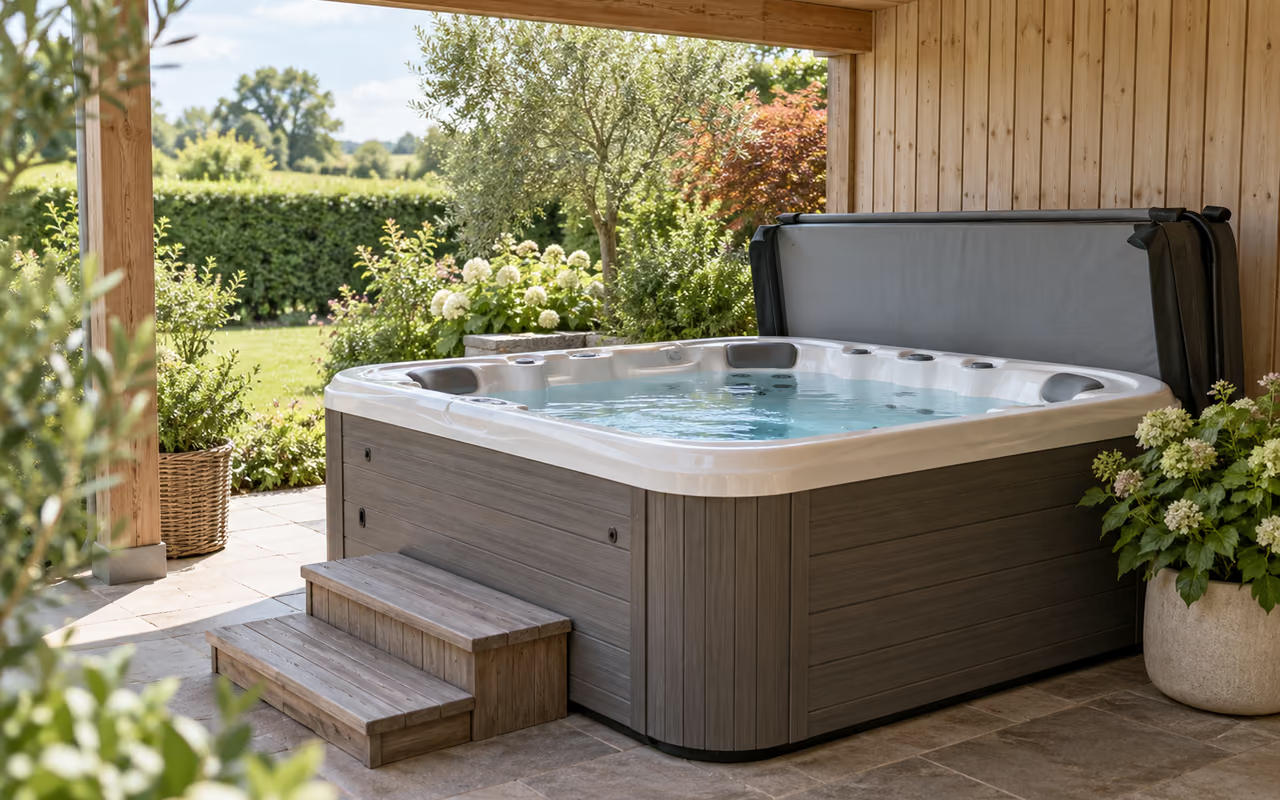
Monthly costs from daily energy
Our original scenario enters 10 metered kWh per operating day. The table holds that energy constant and prices thirty operating days using selected stored 2026-27 flat default-offer network references. It is a tariff comparison, not a claim that every Australian spa uses the same energy in every season.
The prices include GST and exclude supply charges. Use your actual bill and time bands when they differ. The calculator's annual-average month is annual operating cost divided by twelve; it is not necessarily the cost of a thirty-day period. Keep the period convention visible so totals are compared on the same basis.
| Network reference | Thirty-day electricity |
|---|---|
| NSW Ausgrid, 33.1372c/kWh | $99.41 |
| SEQ Energex, 27.9744c/kWh | $83.92 |
| SA Power Networks, 41.9103c/kWh | $125.73 |
Seasonal records need matching conditions
Measure or assess energy for the season you want to budget. Record water temperature, cover use, exposure, usage and the equipment included. A change between readings can reflect several changed conditions, so it should not automatically be attributed to one cause such as shell material or outdoor temperature.
The supporting calculator accepts supplied energy or a valid runtime scenario. It does not infer seasonal heat losses from weather alone. If an installer supplies a model estimate, keep its method and equipment assumptions with the input. A scenario with higher kWh is a sensitivity test until evidence establishes what conditions it represents.
Record whether the electricity figure is measured at the whole spa supply or only one component. Comparing those different boundaries can create an apparent seasonal change even when the full equipment uses the same total energy.
Acrylic and inflatable spas
A shell description does not establish a universal efficiency ranking. Products within either group can differ in insulation, covers, controls and equipment. Compare the actual models under matching conditions rather than turning a marketing category into a fixed daily consumption allowance.
Use full-equipment metering where available. Heater power alone omits how long it runs, and counting only the heater can omit circulation and other loads. A cheaper result caused by a smaller measurement boundary is not a complete operating comparison. Keep purchase, installation and service costs separate from the electricity estimate.
Covers and water temperature
Official pools and spas guidance supports appropriate covers and following the manufacturer's instructions. A cover's effect depends on the actual installation and routine. Do not copy a percentage from a different pool or spa and treat it as a guaranteed reduction for this system.
A lower temperature can change the heat requirement, but it also changes the service being provided. Document the temperature and use pattern when comparing energy records. The calculator prices valid supplied inputs and cannot determine an appropriate temperature for every person or product. Follow the relevant equipment and public-health guidance rather than choosing solely by the smallest calculated cost.
Solar-hour operation
Surplus solar used by the spa may avoid buying grid electricity, but that energy may otherwise earn an export credit. Include the lost credit in a fair comparison. When spa demand exceeds the available surplus, price the remaining imported electricity at the applicable tariff.
Keep the equipment's operating requirements consistent when considering a timer change. A cheap or sunny window does not establish an appropriate circulation, filtration or heating schedule. Check the proposed routine with the manufacturer or installer. The cost estimate does not simulate future sunshine or promise that a fixed share of the load is always solar-powered.
Separate warm-up and ongoing operation
Heating a fresh fill is different from maintaining temperature during normal use. The supporting calculator can show an ideal one-off warm-up quantity separately, but that theoretical heat excludes continuing losses unless they are explicitly assessed. It should not be presented as the entire electricity use of an outdoor warm-up.
If a metered reading already includes a fill or temperature rise, do not add the same energy again. State which periods include those events and compare like with like. A quiet week without a refill may not represent a week with heavier use and reheating. Clear records help explain the difference without inventing seasonal coefficients.
Make the estimate useful
Collect the bill tariff, representative total energy, operating days and relevant conditions before using the tool. For a runtime alternative, include the actual electrical inputs and supported operating shares of each load. Maximum ratings multiplied by all clock hours can misrepresent thermostatic use.
Save those inputs with the result and repeat the calculation when the cover, routine or price changes. Follow the equipment's water-care, shutdown and restart instructions. A qualified installer should address system and electrical questions. The calculator helps budget purchased electricity, while the practical suitability of a particular installation and routine needs its own evidence.
Frequently asked questions
Sources
- AER: Default Market Offer 2026-27, Appendix CChecked on 15 October 2026
- South Australian Government: pools and spasChecked on 15 October 2026
- Australian Government: outdoor living energy guideChecked on 15 October 2026
- Australian Government: solar self-consumptionChecked on 15 October 2026
- NSW BASIX: pool and spa heating guidanceChecked on 15 October 2026
Keep reading
A little more context.

How Much Electricity Does an Electric Blanket Use?
Calculate electric blanket kWh and Australian nightly costs, compare a stated room-heating input and follow official product safety guidance.
Publish date:
Read blog
Is a Solar Battery Worth It in Australia?
Assess Australian battery savings from delivered energy, charging losses, export prices and confirmed quotes, without assuming capacity equals savings.
Publish date:
Read blog
Home vs Public EV Charging Costs in Australia
Compare Australian home, public and mixed EV charging costs per 100 km, including solar opportunity cost and a petrol energy comparison.
Publish date:
Read blog