Heating & cooling Canada
Heat Pump vs Furnace in Ontario: Running Costs
A heat pump can reduce heating costs, but a low electricity rate or a high advertised COP cannot answer the question alone. Compare the same useful heat, include the charges that really change, and test a range of seasonal performance.
- Last checked
- October 15, 2026
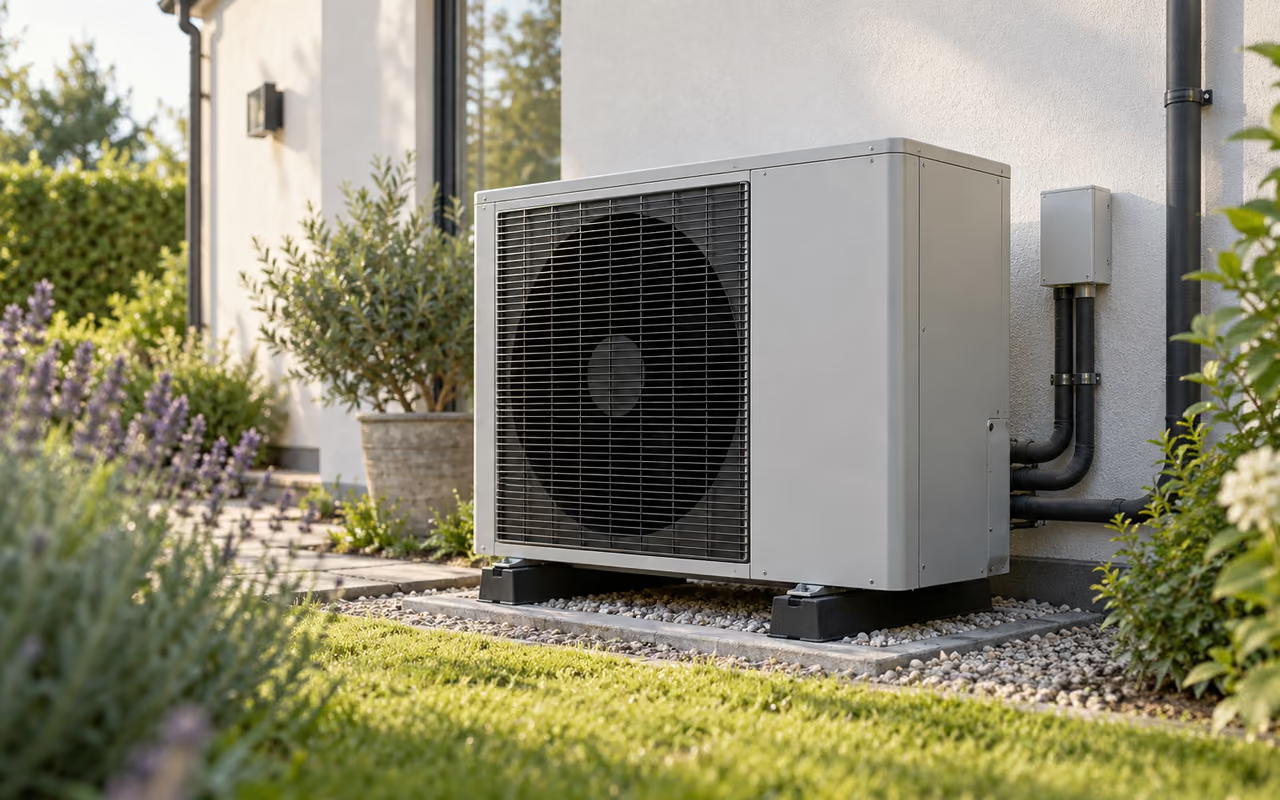
How each system heats your home
A furnace buys fuel and converts part of its energy into useful heat. A heat pump uses electricity to move heat into the building. The comparison therefore starts with a common useful-heat requirement, not equal purchased units. A cubic metre of gas and a kWh of electricity are different quantities with different energy contents.
Our Canadian calculator can begin with heating-only gas use, a matching fuel conversion and an entered furnace efficiency. That creates a useful-heat scenario. The heat pump then supplies that same heat using the seasonal performance you enter. This is an estimate of operating costs under assumptions, not an assessment of the building or a prediction of equipment performance.
A transparent annual calculation
The worked example uses 2,400 m3 of heating gas, 90% furnace efficiency and NRCan's generic 37.5 MJ/m3 comparison factor. With 3.6 MJ per kWh, useful annual heat is 22,500 kWh. The entered prices are CAD 0.50/m3 gas and 15 cents/kWh electricity, with CAD 240 in annual fixed gas costs retained in every case.
Those prices are illustrative calculation inputs, not verified Ontario averages or a supplier offer. At seasonal performance ratios of three and two, respectively, the heat-pump scenarios use 7,500 and 11,250 kWh. The table is reproduced from our calculator. A household estimate needs its own complete variable prices and heating use.
| Heating system | Annual cost |
|---|---|
| Existing furnace, fixed gas costs retained | $1,440.00 |
| Heat pump, seasonal ratio 3, fixed gas costs retained | $1,365.00 |
| Heat pump, seasonal ratio 2, fixed gas costs retained | $1,927.50 |
Cold weather and seasonal performance
NRCan explains that outdoor conditions affect air-source heat-pump capacity and that defrost and supplementary heat affect operation. A laboratory COP at one temperature cannot represent a whole Ontario winter. Ask which outdoor conditions, indoor temperatures and backup contribution are included in the seasonal figure supplied for your estimate.
The example's two performance values are deliberately scenarios. They are not a cold-weather curve and cannot identify a temperature at which the furnace should take over. If a proposal retains a furnace as backup, obtain a system assessment of the control strategy and fuel split. The calculator does not design that switching schedule.
Which charges belong in the comparison?
Use the gas bill's applicable heat content where available, matching its energy basis to the furnace efficiency. Add commodity, delivery and other variable fuel charges to the entered price where they change with consumption. Keep fixed charges separate. Removing heating demand does not remove a fixed gas charge while the account remains open.
For electricity, use the relevant marginal cost of the added heating load. A household average that mixes fixed charges with consumption can be misleading. The Ontario plan calculators separately compare the electricity line, not the full delivered bill. This heating example does not claim to reconcile taxes, rebates or every utility billing component.
What moves the answer most?
In the illustrated case, the heat pump at the higher performance ratio costs CAD 75 less per year, while the lower-performance case costs CAD 487.50 more. The same house and entered prices can therefore produce different conclusions. That is why reporting only the favourable end of a performance range is unhelpful.
Check gas use first: cooking and water heating should not silently become space-heating demand. Then examine the electricity price, furnace efficiency and seasonal system performance. Change one input at a time so you can see why the result moves. Keep each saved estimate with the bill period and quote that supplied its inputs.
Installation costs and rebates are separate
A running-cost saving is not the same as a return on installation. Compare the additional installed cost against a realistic alternative, and use only confirmed discounts or grant amounts. Include repairs, maintenance differences or financing separately if they matter to the decision. Do not turn an advertised maximum incentive into an assured household payment.
The calculator's annual numbers hold usage, price and performance constant. They do not forecast future tariffs or equipment life. Furnace auxiliary electricity and existing fixed electricity charges are outside this worked comparison. Tell an adviser about those boundaries before using the result to evaluate a particular proposal.
What to take to an energy advisor
Gather a full year of bills, the heating-only estimate, proposed equipment performance at relevant conditions and the installer quote. Ask for confirmation of the building's heat loss, distribution temperatures and any electrical upgrade. A larger unit label is not evidence that the system will work efficiently in the house.
Use the calculator to prepare questions and test the supplied assumptions. For a household comparison, replace the illustrative table inputs with matched Ontario bill prices and supported performance evidence. For your own decision, a qualified energy advisor or installer should check the property and system assumptions rather than adopting this example's demand or performance as a default.
Frequently asked questions
Sources
- NRCan: fuel energy comparison, official mirrorChecked on October 15, 2026
- NRCan: heating and cooling with a heat pump, official mirrorChecked on October 15, 2026
- NRCan: heat-pump sizing toolkit, official mirrorChecked on October 15, 2026
- OEB: understanding your electricity billChecked on October 15, 2026